How to Reduce Waste When You Relocate
Relocating can be exciting, but it often creates more waste than we realise. From piles of cardboard boxes to bubble wrap, old furniture and unwanted items, moving house can have a significant environmental footprint.
The good news is that you can reduce waste without adding unnecessary stress.
This guide should provide you with practical tips on reducing waste before, during and after your relocation.
Why reducing waste during a move matters
Moving generates a lot of single-use materials and discarded belongings. In Australia, waste from household clean-outs can quickly add to landfill volumes, and many of these items are recyclable or reusable. Reducing waste benefits you and the environment by:
- Lowering disposal costs.
- Keeping usable items out of the landfill.
- Saving on packing supplies.
- Reducing clutter in your new home.
- Supporting community reuse and recycling programs.
1. Start decluttering early
The easiest way to reduce waste is to avoid moving things you no longer need. Decluttering before you pack means fewer boxes, fewer trips and less rubbish.
How to declutter effectively:
- Start at least 2 – 6 weeks before the move. Give yourself enough time to sort through every room.
- Work room by room. Focus on one space at a time to stay organised.
- Ask yourself: Do I use this regularly? Does it have sentimental or practical value? Would I buy it again if I didn’t already own it?
- Separate items into categories:
- Keep
- Donate
- Sell
- Recycle
- Dispose (only as a last resort)
Pro tip: If you have high-quality furniture or appliances that you no longer want, list them on Facebook Marketplace or Gumtree. This not only reduces waste but can help fund your moving costs.
2. Use reusable packing materials
One of the biggest sources of moving waste is single-use packaging. Instead of relying on brand-new cardboard boxes and plastic wrap, look for reusable options.
- Consider using plastic moving crates. Use reusable crates or boxes to reduce the need for single-use boxes.
- Use suitcases, laundry baskets, storage tubs and reusable shopping bags that you already own.
- Hire or borrow. Some community groups lend packing boxes or crates for free or for a small fee.
- If you prefer cardboard boxes, choose strong ones and sell them back after your move to reduce waste and recover some of your costs. MiniMovers has a Box Buy Back solution that you can take advantage of.
3. Pack smart with sustainable alternatives
You can pack safely without resorting to excessive bubble wrap and plastic padding.
Here are a few sustainable packing ideas:
- Wrap fragile items in towels, bedding or clothes.
- Use shredded paper or recycled kraft paper instead of polystyrene peanuts.
- Collect old newspapers and magazines to use as cushioning (though avoid wrapping delicate items directly in newspaper if ink transfer is a concern).
- Save sturdy packaging from deliveries in the months before your move.
4. Donate and sell what you can
Many items you no longer need can still be useful to others. By donating or selling them, you keep them out of the landfill.
Donation tips:
- Contact local charities for furniture and clothing donations.
- Check if your council runs scheduled hard waste collections with recycling options.
- Offer free items through community pages on Facebook or Freecycle.
Selling tips:
- List higher-value items online early to allow time for buyers to collect them before moving day.
- Bundle smaller items into lots to sell more quickly.
5. Plan your food before moving
Pantries and fridges can hold a surprising amount of waste potential. If you don’t plan well, you might throw away unopened food or waste perishable items.
How to reduce food waste when moving:
- In the weeks before your move, plan meals around what you already have.
- Avoid buying bulk groceries unless you know you can use them before moving.
- Freeze perishable items you want to keep.
- Donate unopened, non-perishable food to local food banks or charities.
6. Choose a removalist that supports sustainability
The moving company you choose can make a difference in how much waste your move creates.
What to look for:
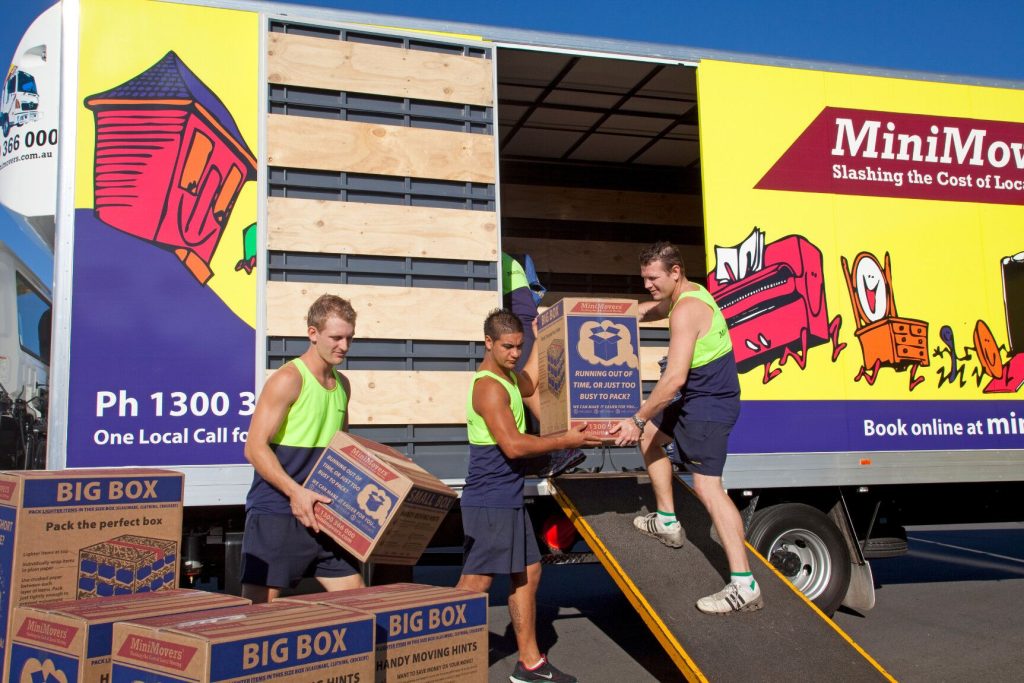
- Companies that offer reusable packing crates.
- Companies that offer a box buy-back solution.
- Fuel-efficient or hybrid vehicles.
- Recycling and responsible disposal services.
Remember that a DIY move isn’t always the most cost-effective. Consider your budget, schedule, time, and move size. Sometimes paying a little more for professional movers who also prioritise sustainability is worth it to reduce stress, save time, and minimise environmental impact.
7. Dispose of hazardous materials properly
Some items can’t go in your household bin because they contain harmful chemicals or require special processing.
Common hazardous items when moving:
- Paint and solvents
- Batteries
- Gas bottles
- Cleaning chemicals
- E-waste like old TVs, printers and computers
Where to dispose of them:
- Local council drop-off points
- Special collection events
- Retail take-back programs (check TerraCycle for multiple ways to recycle)
8. Reduce moving day waste
Even with good preparation, moving day can still create rubbish if not managed well.
Quick waste-reduction tips for moving day:
- Keep a designated box or bag for collecting soft plastics, recyclables and general waste separately.
- Have a plan for reusing moving blankets and ropes.
- Collect and fold packing materials immediately to reuse.
- Avoid buying single-use bottled water for yourself and helpers during the move; instead, provide refillable bottles or jugs.
9. Recycle and reuse after the move
Once you’ve unpacked, you may still be left with boxes, packing paper and other materials. Instead of throwing them away:
- Return boxes through a buy-back program or give them to someone else moving.
- Store high-quality boxes flat for future use.
- Take damaged cardboard to your local recycling facility.
- Reuse bubble wrap, paper and crates for storage.
10. Think long-term sustainability in your new home
Waste reduction shouldn’t stop once you’ve settled in. Use your move as a fresh start for sustainable habits.
A few ideas for ongoing waste reduction:
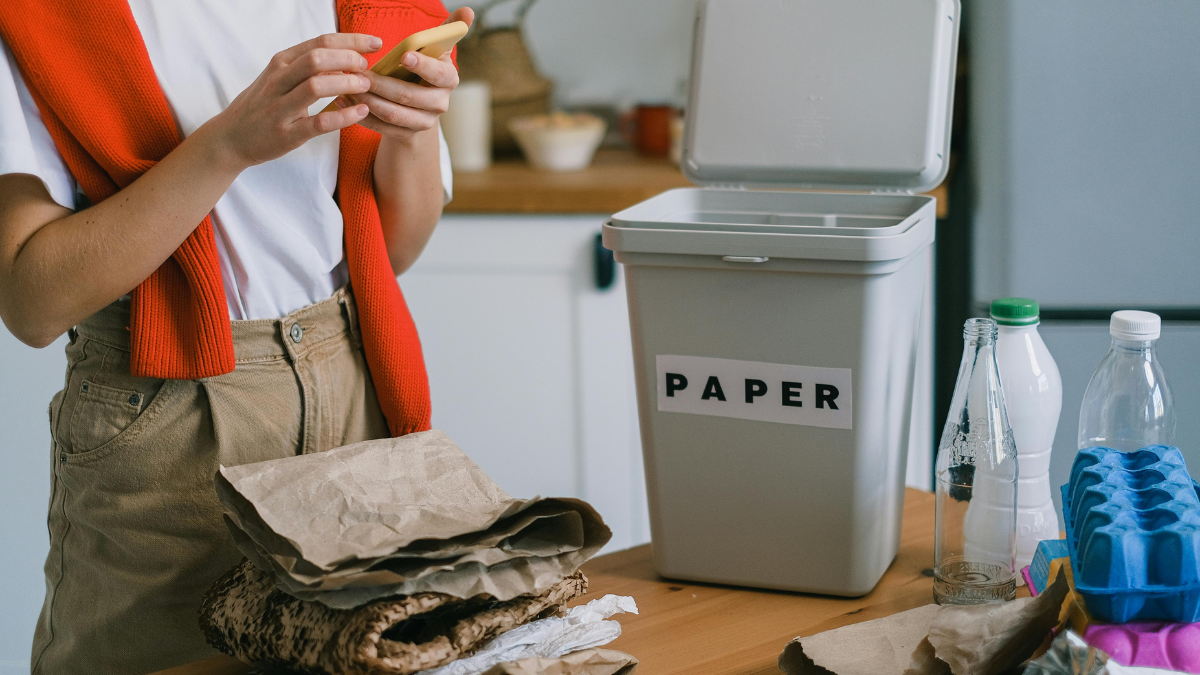
- Set up a home recycling station.
- Compost food scraps.
- Choose durable, high-quality furniture to reduce the need for replacement.
- Organise belongings to avoid clutter build-up.
Moving doesn’t have to be stressful or wasteful. Let our experienced team help you pack, move, and cut down on waste. Call +1300 642 900 today.
For additional home moving tips and guides, visit Ultimate Guide to Moving House and How to Choose the Best Boxes for Your Next Move.
Featured image by SHVETS production