23 Moving Day Traditions from Around the World
Moving house is more than just packing boxes and booking a truck. Across cultures, it’s a significant life event, often tied to deep traditions, blessings and rituals meant to ensure a fresh start, protect the home, and invite prosperity. Whether they are rooted in religion, folklore or community customs, moving day traditions often reflect a society’s values — family, luck, protection, or even the simple joy of sharing food.
These traditions range from spiritual cleansings to quirky symbolic gestures, but they all share one thing: they’re designed to make a new house feel like home.
If you’re moving house, you might find inspiration here and perhaps adopt a tradition or two yourself.
I. Good luck & prosperity rituals
These customs are about inviting abundance, wealth and happiness into your new home from the moment you step inside.
1. Housewarming rice (India, Thailand)
In parts of India and Thailand, it’s common to scatter uncooked rice on the floor or offer it in a bowl near the entrance before moving furniture in. Rice is a symbol of fertility and prosperity. In Thailand, elders sometimes mix rice with coins and flowers, blessing the home with abundance.
How you can try this: Place a small bowl of rice in your kitchen or pantry on the first day. It’s an easy nod to a tradition that promotes abundance.
2. Coin in the foundation (Philippines, Greece)
In the Philippines, coins are placed in the home’s foundation or entryway during construction or before moving in. It’s believed to attract financial stability. Greek tradition is similar, sometimes using silver coins for added value.
How you can try this: Slip a coin under your doormat or in a hidden corner near the door when you move in.
3. Bread and salt (Russia, Poland, Jewish traditions)
Bread symbolises never going hungry; salt represents flavour and preservation. In Russian and Polish traditions, new homeowners are welcomed with bread and salt. In Jewish custom, these are often given at a housewarming, sometimes with a blessing.
How you can try this: Place a loaf of bread and a small bowl of salt in your kitchen on moving day. Eat a piece with family to mark the occasion.
4. Boiling milk and rice (India)
In the Hindu Griha Pravesh ceremony, boiling milk and rice until it overflows is a symbol of abundance. The overflowing pot signifies prosperity spilling into life.
How you can try this: Even without the full ceremony, you could prepare a simple pot of rice and share it with your family.
II. Cleansing & purification traditions
These practices focus on clearing away bad energy or misfortune left by previous occupants.
5. Sweeping away bad luck (China, Japan)
In Chinese tradition, you sweep the floors from the inside out before bringing belongings in, sending bad energy out the door. Japanese custom is similar, though often done the day before.
How you can try this: Before unpacking, do a quick sweep of every room, especially corners.
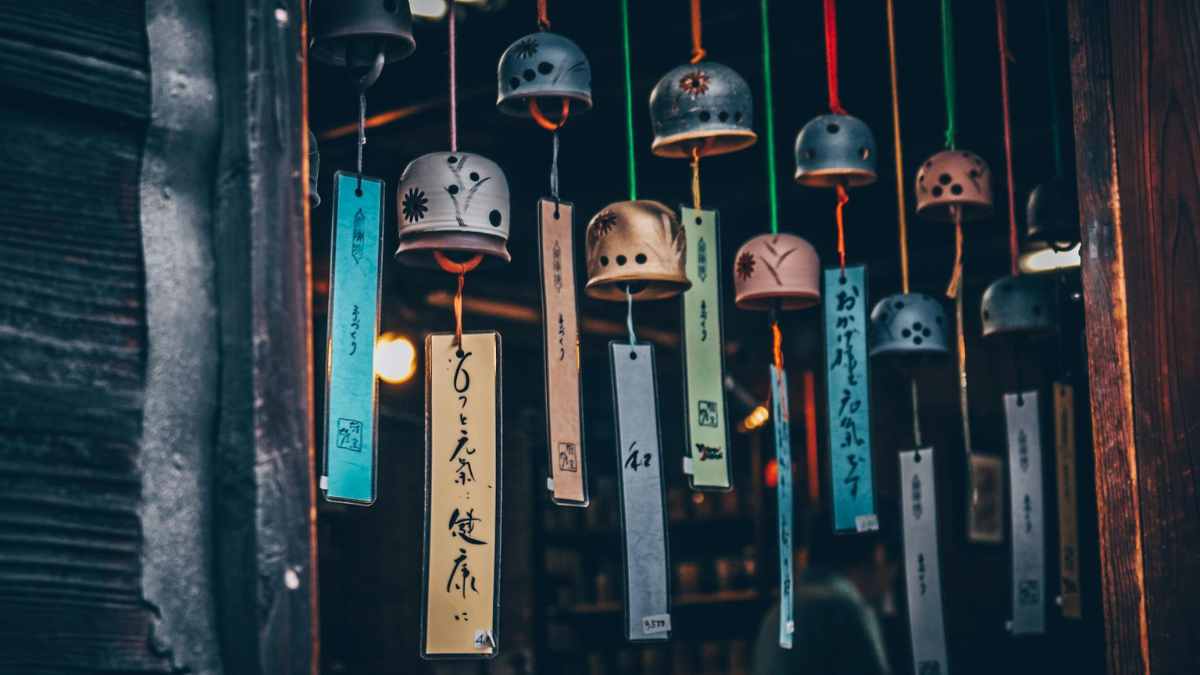
6. Ringing bells or hanging wind chimes (Buddhist & Shinto influence)
Bells are thought to drive away evil spirits. In some Buddhist and Shinto customs, wind chimes at the doorway bring both sound and positive energy.
How you can try this: Hang a simple chime near your entrance and let it ring as you open the door for the first time.
7. Burning sage or herbs (Indigenous, Native American, Holistic)
Smudging with sage, cedar, or sweetgrass is an ancient cleansing practice. The smoke is believed to purify and reset the energy of a space.
How you can try this: Light sage or incense and walk it through each room, focusing on corners and doorways.
8. Lighting the hearth or first fire (UK, Europe)
In old British and European tradition, lighting the fireplace or first candle symbolised warmth, safety and life in the home. In rural areas, neighbours sometimes brought embers from their hearth as a gesture of continuity.
How you can try this: Light a candle in the evening of your first day and keep it burning for a while.
III. Symbolic gifts & offerings
Small tokens that carry cultural meaning can bless the home and its inhabitants.
9. Pineapples for hospitality (Hawaii, Caribbean)
In Hawaii and parts of the Caribbean, the pineapple is a symbol of welcome and hospitality. It’s often placed on the table or at the entrance.
How you can try this: Display a fresh pineapple on your dining table when you host your first guests.
10. Oranges for luck (China, Vietnam)
Mandarin oranges are considered lucky in Chinese and Vietnamese culture. They’re often rolled across the floor or placed in bowls during the Lunar New Year and moving days.
How you can try this: Place nine oranges in a bowl in your living room, nine is an auspicious number in Chinese numerology.
11. Basil plant for blessings (Italy, Greece)
Basil is linked to protection and blessings in Italian and Greek traditions. In some parts of Greece, holy water is sprinkled on the plant and the home.
How you can try this: Place a potted basil plant in your kitchen or near a sunny window.
12. Flowers to invite happiness (Global)
Fresh flowers are universally linked to joy and life. In many cultures, giving flowers to new homeowners is a first-day gesture.
How you can try this: Bring a bouquet into your new home as one of the first items.
IV. Community & family-centred traditions
These customs focus on relationships, shared meals and welcoming neighbours.
13. Neighbourly welcome feasts (Middle East, Mediterranean)
In parts of Lebanon, Turkey and Greece, neighbours bring food to welcome new arrivals, ensuring they don’t have to cook on moving day.
How you can try this: Invite your new neighbours for coffee or share baked goods soon after moving.
14. Carrying the bride over the threshold (Europe, US)
This tradition has roots in both Roman superstition and medieval customs, where it was thought to ward off evil spirits.
How you can try this: Even if you’re not newlyweds, carrying someone over the threshold can be a fun symbolic act.
15. First meal on the floor (Japan, Korea)
In Japan and Korea, sitting on the floor to share a simple first meal before furniture arrives is common. It marks the first shared moment in the home.
How you can try this: Pack an easy picnic for your first meal before unpacking.
16. Sharing sweets with neighbours (India, Middle East)
In India and parts of the Middle East, bringing sweets to neighbours is a sign of goodwill and a sweet start to life in the new home.
How you can try this: Share a box of sweets or homemade treats after settling in.
V. Spiritual & religious blessings
These moving day rituals are rooted in faith and are often guided by religious leaders.
17. Catholic house blessing (Philippines, Latin America)
A priest blesses each room with holy water, sometimes accompanied by prayers and hymns. In the Philippines, coins and rice may be scattered alongside the blessing.
How you can try this: Invite a priest or pastor if you want a formal religious blessing.
18. Feng Shui arrangement (China)
Before moving in, some families consult a feng shui expert to ensure the home’s layout supports health, wealth and harmony.
How you can try this: Position your bed so it’s not directly in line with the door, this is one of the most common feng shui recommendations.
19. Hindu Griha Pravesh ceremony (India)
This is a detailed ritual that includes selecting an auspicious date, chanting mantras, and offering milk and honey to deities before fully moving in.
How you can try this: Even without the full ritual, you could choose a move-in day based on a personal lucky date.
20. Reading scripture in the new home (Christian, Islamic traditions)
In some Christian and Islamic households, sacred verses are read aloud on the first day to invite blessings and peace.
How you can try this: Read a meaningful passage from your faith tradition as you enter.
VI. Unique & quirky moving day customs
Some traditions stand out for their creativity or charm.
21. First cat or animal into the home (UK, Japan)
In parts of the UK, it’s considered good luck for a cat to be the first to cross the threshold. In Japan, a maneki-neko (beckoning cat statue) is placed inside for good fortune.
How you can try this: Let your pet explore before unpacking.
22. Bringing water from the old home (some African cultures)
This practice symbolises carrying life and memories into the new place.
How you can try this: Fill a small bottle from your old home’s tap and pour it into a plant in your new home.
23. Hanging protective talismans (Middle East, Greece)
In Turkey and Greece, an evil eye amulet (nazar) is hung to ward off envy. Similar protective charms are found in Middle Eastern cultures.
How you can try this: Hang a small talisman near your front door.
Conclusion
Moving day traditions show that home is more than walls and a roof, it’s about the rituals that make us feel grounded and connected. Whether you burn sage, roll oranges across the floor, or invite your neighbours in for tea, these customs are about more than luck. They’re about community, continuity, and creating a sense of belonging from day one.
Are you moving house? MiniMovers can help you! Call us at +1300 642 900 for enquiries or simply book online!
Featured image by Nihongraphy